FREEDOM FROM YOUR PHONE
Right now some of the world's most talented people are working overtime to stop you from putting down your phone.
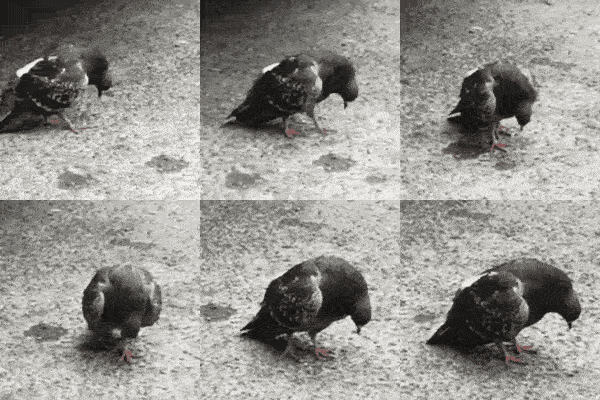
But first look at this bird ↓
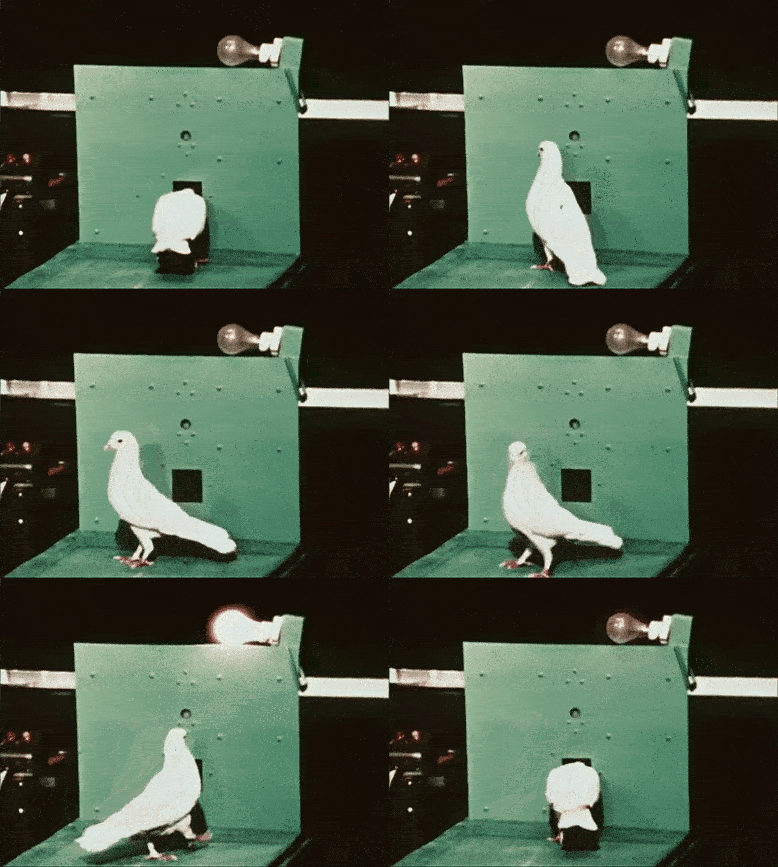
Look at this pigeon. When the light comes on he gets a treat. He spends all his time pecking away, addicted to getting his little reward.
He could be flying with his friends in the infinite blue sky, soaring through the clouds, crapping on people's heads.
Instead he wastes his time chasing meaningless, positive feedback from an indifferent machine.
What an IDIOT.
How did this happen?
This is B.F Skinner. He is the father of behavioral psychology.

Here he is experimenting on pigeons in his lab. ↓
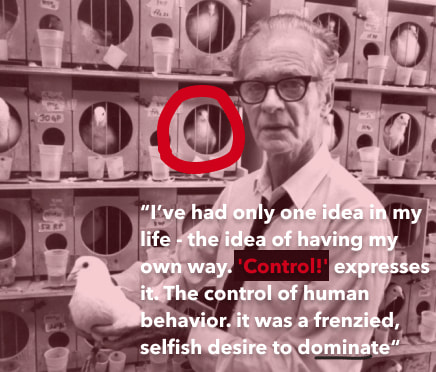
Manipulating them to do his bidding through a simple system of semi-random rewards and punishments.
These innovations were immediately implemented by the gambling industry.
It turns out cutting-edge psychological research is very important when your profits depend on people consistently making bad decisions.

Ever been to a casino?
Look around and you won't see joyful, smiling faces. You'll see an array of pained, stressed grimaces (and that's just the winners).
Casinos have been designed with the help of psychologists to manipulate, coax and nudge people into gambling as long as possible.
The Casino in your Pocket
In the early days of online gaming a software conglomerate employed a safeguarding team of behavioural psychologists to make sure their games weren't addictive.
The psychologists produced a large report detailing all the things that the developers shouldn't do to hook their players. Of course, the sales department promptly sacked the psychologists and implemented every tactic, trick and strategy they had warned against.

These same tactics are used to keep you on the hedonic treadmill that is your smartphone.
BIRD BRAIN
We are now the pigeons: Reduced to feedback in a cybernetic system optimised for slimy advertisers.

The apps on your phone don't care about your wellbeing. Their purpose is to improve an abstract metric linked to a stranger's performance related bonus.